Indigenous Food: Culinary Heritage
& Foraged Flavors

Indigenous Food

The culinary traditions of the Jingkieng Jri / Lyu Chrai landscape reflect a deep, intuitive knowledge of forest ecosystems, seasonal cycles, and soil health. Grounded in the reverence for Mei Ramew (Mother Earth), indigenous Khasi and Jaintia food systems prioritize health, flavour, and agro-ecological balance.

01

Wild Foraging & Agro-Biodiversity

Local communities harvest an extraordinary variety of wild edibles, including forest greens, wild mushrooms, tubers, fern shoots (Japhi), and indigenous herbs. This forage-to-table practice preserves forest biodiversity while providing rich nutrition.

02

Traditional Culinary Classics

From fragrant rice dishes like Jadoh (rice cooked with local spices) and fermented soybean paste (Tungrymbai) to roasted perilla seed pastes (Nei-Lieh) and smoked meats, the cuisine relies on natural preservation techniques like fermentation, smoking, and sun-drying rather than artificial additives.

03

Gastronomic Eco-Tourism

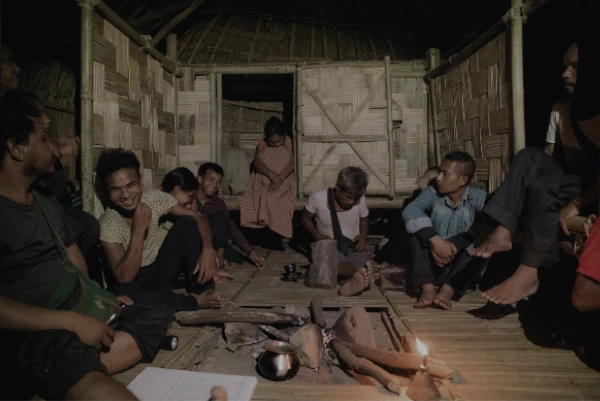
Through community homestays (Ïing Mariang), visitors experience authentic local meals prepared over open wood fires. This farm-and-forest-to-table culinary experience offers travelers an authentic taste of Meghalaya while creating valuable revenue streams for local women-led food cooperatives.

Activities

Bamboo Crafting

Story Telling

Sustainable creations
rooted in tradition

Indigenous Food

Sustainable Workshops

Flavours that carry heritage
and community wisdom

Honey Production

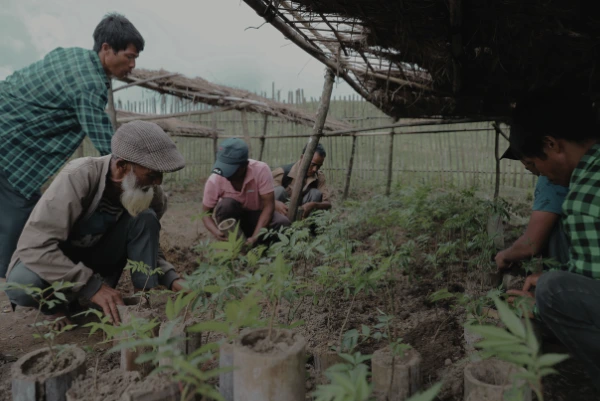
Community Nurseries

Pure, natural harvest
from the forests