Rooted in Love, Guided by Respect, Built on Trust, Driven by Hard Work, United in Purpose.
Syrwet U Barim
We are a pioneering community-led initiative dedicated to conserving and promoting the Jingkieng Jri / Lyu Chrai (Living Root Bridges) and their cultural landscape. Formed in 2018 with more than 40 primary cooperatives, the Federation works to safeguard ancestral knowledge, support sustainable livelihoods, and guide responsible development. Rooted in community dialogue with village elders and local authorities, Syrwet U Barim has shaped heritage preservation policies while fostering intergenerational knowledge transfer through storytelling, site visits, and hands-on learning.
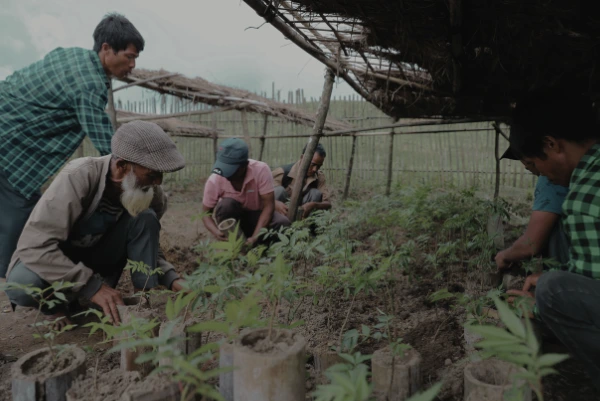
Through initiatives such as the Community-led Landscape Management Program (CLLMP), the Federation has advanced conservation by conserving the Living Root Bridges, developing community nurseries, and creating nature homes. In 2022, these collective efforts – together with the Government of Meghalaya, helped secure the inclusion of the Jingkieng Jri / Lyu Chrai Cultural Landscape on UNESCO’s Tentative List for World Heritage recognition.
Partnerships with research institutions have further enriched ecological studies and sustainable practices, while festivals, workshops, and cultural events continue to empower youth and women, revitalize traditional skills, and strengthen community resilience. Looking ahead, Syrwet U Barim remains committed to advocating for supportive policies, nurturing sustainable futures, and achieving UNESCO World Heritage status.
Syrwet U Barim
We are a pioneering community-led initiative dedicated to conserving and promoting the Jingkieng Jri / Lyu Chrai (Living Root Bridges) and their cultural landscape. Formed in 2018 with more than 40 primary cooperatives, the Federation works to safeguard ancestral knowledge, support sustainable livelihoods, and guide responsible development. Rooted in community dialogue with village elders and local authorities, Syrwet U Barim has shaped heritage preservation policies while fostering intergenerational knowledge transfer through storytelling, site visits, and hands-on learning.
Through initiatives such as the Community-led Landscape Management Program (CLLMP), the Federation has advanced conservation by conserving the Living Root Bridges, developing community nurseries, and creating nature homes. In 2022, these collective efforts – together with the Government of Meghalaya, helped secure the inclusion of the Jingkieng Jri / Lyu Chrai Cultural Landscape on UNESCO’s Tentative List for World Heritage recognition.
Partnerships with research institutions have further enriched ecological studies and sustainable practices, while festivals, workshops, and cultural events continue to empower youth and women, revitalize traditional skills, and strengthen community resilience. Looking ahead, Syrwet U Barim remains committed to advocating for supportive policies, nurturing sustainable futures, and achieving UNESCO World Heritage status.
Syrwet U Barim
We are a pioneering community-led initiative dedicated to conserving and promoting the Jingkieng Jri / Lyu Chrai (Living Root Bridges) and their cultural landscape. Formed in 2018 with more than 40 primary cooperatives, the Federation works to safeguard ancestral knowledge, support sustainable livelihoods, and guide responsible development. Rooted in community dialogue with village elders and local authorities, Syrwet U Barim has shaped heritage preservation policies while fostering intergenerational knowledge transfer through storytelling, site visits, and hands-on learning.
Through initiatives such as the Community-led Landscape Management Program (CLLMP), the Federation has advanced conservation by conserving the Living Root Bridges, developing community nurseries, and creating nature homes. In 2022, these collective efforts – together with the Government of Meghalaya, helped secure the inclusion of the Jingkieng Jri / Lyu Chrai Cultural Landscape on UNESCO’s Tentative List for World Heritage recognition.
Partnerships with research institutions have further enriched ecological studies and sustainable practices, while festivals, workshops, and cultural events continue to empower youth and women, revitalize traditional skills, and strengthen community resilience. Looking ahead, Syrwet U Barim remains committed to advocating for supportive policies, nurturing sustainable futures, and achieving UNESCO World Heritage status.
Syrwet U Barim
We are a pioneering community-led initiative dedicated to conserving and promoting the Jingkieng Jri / Lyu Chrai (Living Root Bridges) and their cultural landscape. Formed in 2018 with more than 40 primary cooperatives, the Federation works to safeguard ancestral knowledge, support sustainable livelihoods, and guide responsible development. Rooted in community dialogue with village elders and local authorities, Syrwet U Barim has shaped heritage preservation policies while fostering intergenerational knowledge transfer through storytelling, site visits, and hands-on learning.
Through initiatives such as the Community-led Landscape Management Program (CLLMP), the Federation has advanced conservation by conserving the Living Root Bridges, developing community nurseries, and creating nature homes. In 2022, these collective efforts – together with the Government of Meghalaya, helped secure the inclusion of the Jingkieng Jri / Lyu Chrai Cultural Landscape on UNESCO’s Tentative List for World Heritage recognition.
Partnerships with research institutions have further enriched ecological studies and sustainable practices, while festivals, workshops, and cultural events continue to empower youth and women, revitalize traditional skills, and strengthen community resilience. Looking ahead, Syrwet U Barim remains committed to advocating for supportive policies, nurturing sustainable futures, and achieving UNESCO World Heritage status.
Syrwet U Barim
We are a pioneering community-led initiative dedicated to conserving and promoting the Jingkieng Jri / Lyu Chrai (Living Root Bridges) and their cultural landscape. Formed in 2018 with more than 40 primary cooperatives, the Federation works to safeguard ancestral knowledge, support sustainable livelihoods, and guide responsible development. Rooted in community dialogue with village elders and local authorities, Syrwet U Barim has shaped heritage preservation policies while fostering intergenerational knowledge transfer through storytelling, site visits, and hands-on learning.
Through initiatives such as the Community-led Landscape Management Program (CLLMP), the Federation has advanced conservation by conserving the Living Root Bridges, developing community nurseries, and creating nature homes. In 2022, these collective efforts – together with the Government of Meghalaya, helped secure the inclusion of the Jingkieng Jri / Lyu Chrai Cultural Landscape on UNESCO’s Tentative List for World Heritage recognition.
Partnerships with research institutions have further enriched ecological studies and sustainable practices, while festivals, workshops, and cultural events continue to empower youth and women, revitalize traditional skills, and strengthen community resilience. Looking ahead, Syrwet U Barim remains committed to advocating for supportive policies, nurturing sustainable futures, and achieving UNESCO World Heritage status.
Syrwet U Barim
We are a pioneering community-led initiative dedicated to conserving and promoting the Jingkieng Jri / Lyu Chrai (Living Root Bridges) and their cultural landscape. Formed in 2018 with more than 40 primary cooperatives, the Federation works to safeguard ancestral knowledge, support sustainable livelihoods, and guide responsible development. Rooted in community dialogue with village elders and local authorities, Syrwet U Barim has shaped heritage preservation policies while fostering intergenerational knowledge transfer through storytelling, site visits, and hands-on learning.
Through initiatives such as the Community-led Landscape Management Program (CLLMP), the Federation has advanced conservation by conserving the Living Root Bridges, developing community nurseries, and creating nature homes. In 2022, these collective efforts – together with the Government of Meghalaya, helped secure the inclusion of the Jingkieng Jri / Lyu Chrai Cultural Landscape on UNESCO’s Tentative List for World Heritage recognition.
Partnerships with research institutions have further enriched ecological studies and sustainable practices, while festivals, workshops, and cultural events continue to empower youth and women, revitalize traditional skills, and strengthen community resilience. Looking ahead, Syrwet U Barim remains committed to advocating for supportive policies, nurturing sustainable futures, and achieving UNESCO World Heritage status.
Syrwet U Barim
We are a pioneering community-led initiative dedicated to conserving and promoting the Jingkieng Jri / Lyu Chrai (Living Root Bridges) and their cultural landscape. Formed in 2018 with more than 40 primary cooperatives, the Federation works to safeguard ancestral knowledge, support sustainable livelihoods, and guide responsible development. Rooted in community dialogue with village elders and local authorities, Syrwet U Barim has shaped heritage preservation policies while fostering intergenerational knowledge transfer through storytelling, site visits, and hands-on learning.
Through initiatives such as the Community-led Landscape Management Program (CLLMP), the Federation has advanced conservation by conserving the Living Root Bridges, developing community nurseries, and creating nature homes. In 2022, these collective efforts – together with the Government of Meghalaya, helped secure the inclusion of the Jingkieng Jri / Lyu Chrai Cultural Landscape on UNESCO’s Tentative List for World Heritage recognition.
Partnerships with research institutions have further enriched ecological studies and sustainable practices, while festivals, workshops, and cultural events continue to empower youth and women, revitalize traditional skills, and strengthen community resilience. Looking ahead, Syrwet U Barim remains committed to advocating for supportive policies, nurturing sustainable futures, and achieving UNESCO World Heritage status.
Syrwet U Barim
We are a pioneering community-led initiative dedicated to conserving and promoting the Jingkieng Jri / Lyu Chrai (Living Root Bridges) and their cultural landscape. Formed in 2018 with more than 40 primary cooperatives, the Federation works to safeguard ancestral knowledge, support sustainable livelihoods, and guide responsible development. Rooted in community dialogue with village elders and local authorities, Syrwet U Barim has shaped heritage preservation policies while fostering intergenerational knowledge transfer through storytelling, site visits, and hands-on learning.
Through initiatives such as the Community-led Landscape Management Program (CLLMP), the Federation has advanced conservation by conserving the Living Root Bridges, developing community nurseries, and creating nature homes. In 2022, these collective efforts – together with the Government of Meghalaya, helped secure the inclusion of the Jingkieng Jri / Lyu Chrai Cultural Landscape on UNESCO’s Tentative List for World Heritage recognition.
Partnerships with research institutions have further enriched ecological studies and sustainable practices, while festivals, workshops, and cultural events continue to empower youth and women, revitalize traditional skills, and strengthen community resilience. Looking ahead, Syrwet U Barim remains committed to advocating for supportive policies, nurturing sustainable futures, and achieving UNESCO World Heritage status.

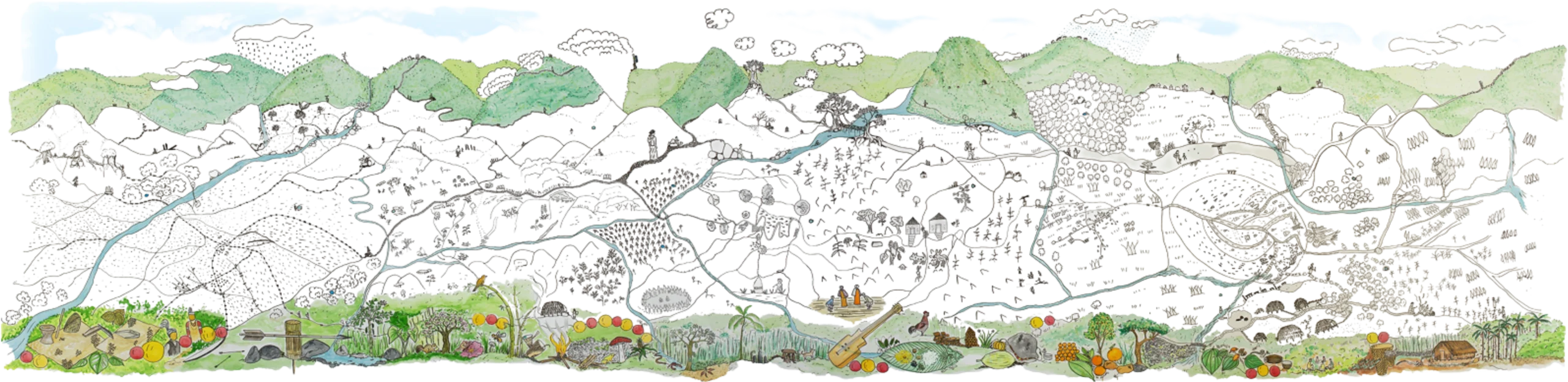
In the heart of our land lives the Jingkieng Ksiar (Golden Bridge) and in the hearts of our people lives the Mynsiem Ksiar (Golden Soul) – an unbroken link connecting us to our heritage, to the Indigenous wisdom, knowledge and belief of the Hynñiewtrep – Hynñiewasa people. This sacred link preserves our sense of being, our sense of duty, and our sense of direction amidst the churn of the contemporary world.
The Jingkieng Ksiar links man, nature, and the divine, and lives on within the Mynsiem Ksiar of our people. From Ka Soti Juk (the Age of Truth) to the present day, this link has passed from one generation to the next, and guided our collective conscience and consciousness. It has nurtured our way of life. This sacred essence is reflected in the way we honour the stones, rivers, forests and all living elements of our landscape. From sacred rituals to everyday practices, our expressions of gratitude and celebration toward the Divine and Mother Nature are woven into the very fabric of our lives.
To have the Mynsiem Ksiar is to hold a deep understanding of oneself and one’s environment, to walk in balance and harmony with fellow human beings, nature, and the spiritual realm. This relationship is not one of ownership, but of belonging. We do not inherit the land; we belong to it as caretakers of Ka Mei Ramew (Mother Earth).
Each root that binds a Jingkieng Jri, each leaf that dances in the forest, each sacred stone that makes our trail, carries the breath of our ancestors. As long as the Mynsiem Ksiar continues to glow within us, our spirit and feeling for our land and our community will continue – strong, sacred, and eternal.
Community-led Activities
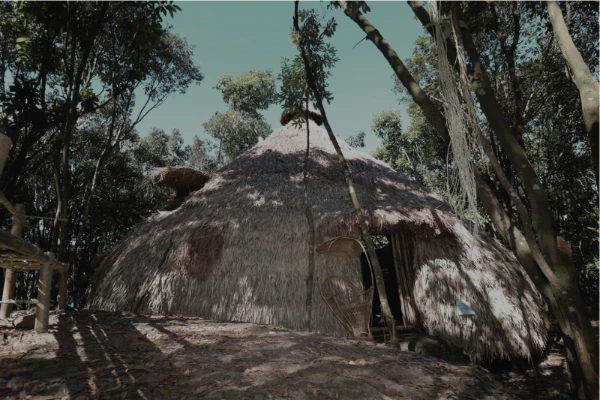
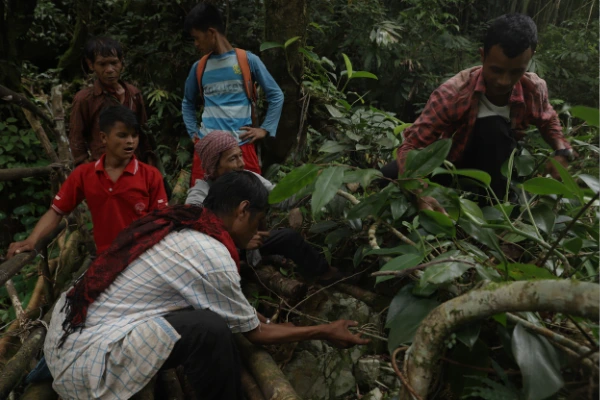
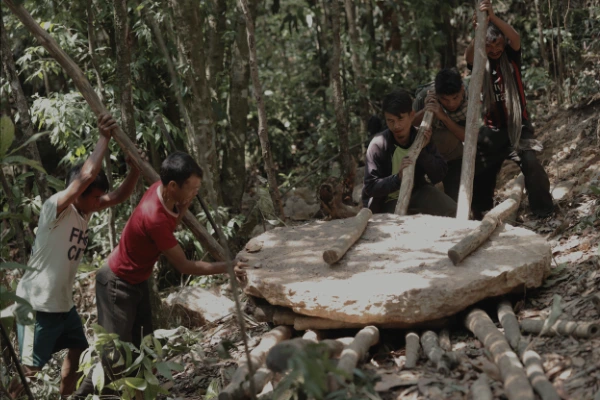
Activities
Bamboo Crafting
Sustainable creations
rooted in tradition
Indigenous Food
Flavours that carry heritage
and community wisdom
Honey Production
Pure, natural harvest
from the forests
What happens when
Communities Lead the Way?
Rooted in Heritage, Growing through Community, Sustaining Nature and Livelihoods.